You don’t need a bigger budget. You need better creative.
In Part 1, we made the case that creative — the writing, the voices, the production, the idea — drives roughly half of all the sales your advertising generates. The good news is that your greatest opportunity for better results is already within reach. Most advertisers just don’t capitalize on it.
So, let’s get practical. Drawing on research from Circana, System1, Kantar, and Nielsen, here are seven rules that separate the ads people remember from the roughly three-quarters they forget. We’ll use audio advertising as our example, but you’ll quickly see these strategies apply across every type of marketing.
1. Say One Thing
The most common mistake in local advertising is trying to say everything. Kantar’s research is blunt about the cost: the fewer messages an ad carries, the more likely a listener is to remember the one that matters. Pile on messages and recall collapses.
Christopher Smith, Chief Creative Officer at Plot Twist Creativity, puts it perfectly: “If you want to talk about everything, then you really have nothing to talk about. In advertising, you need to have one thing to say.” Every second counts. Instead of cramming in every product or service, pick your one thing and give it space to land.
There’s a measurable payoff too: strip ten words out of an ad and its creative standout improves by about 1%, and every point of standout lifts website response by roughly a quarter percent. Less really is more.
2. Brand Early, Brand Often
An ad people love but can’t attribute to you is a gift to your competitor. In a :30 audio spot, your brand name should show up within the first two seconds. Say your brand name slowly and clearly. Don’t bury it under music or rush through it at the end of the ad. If people can’t hear or understand your message, it won’t stick.
3. Make Them Feel Something
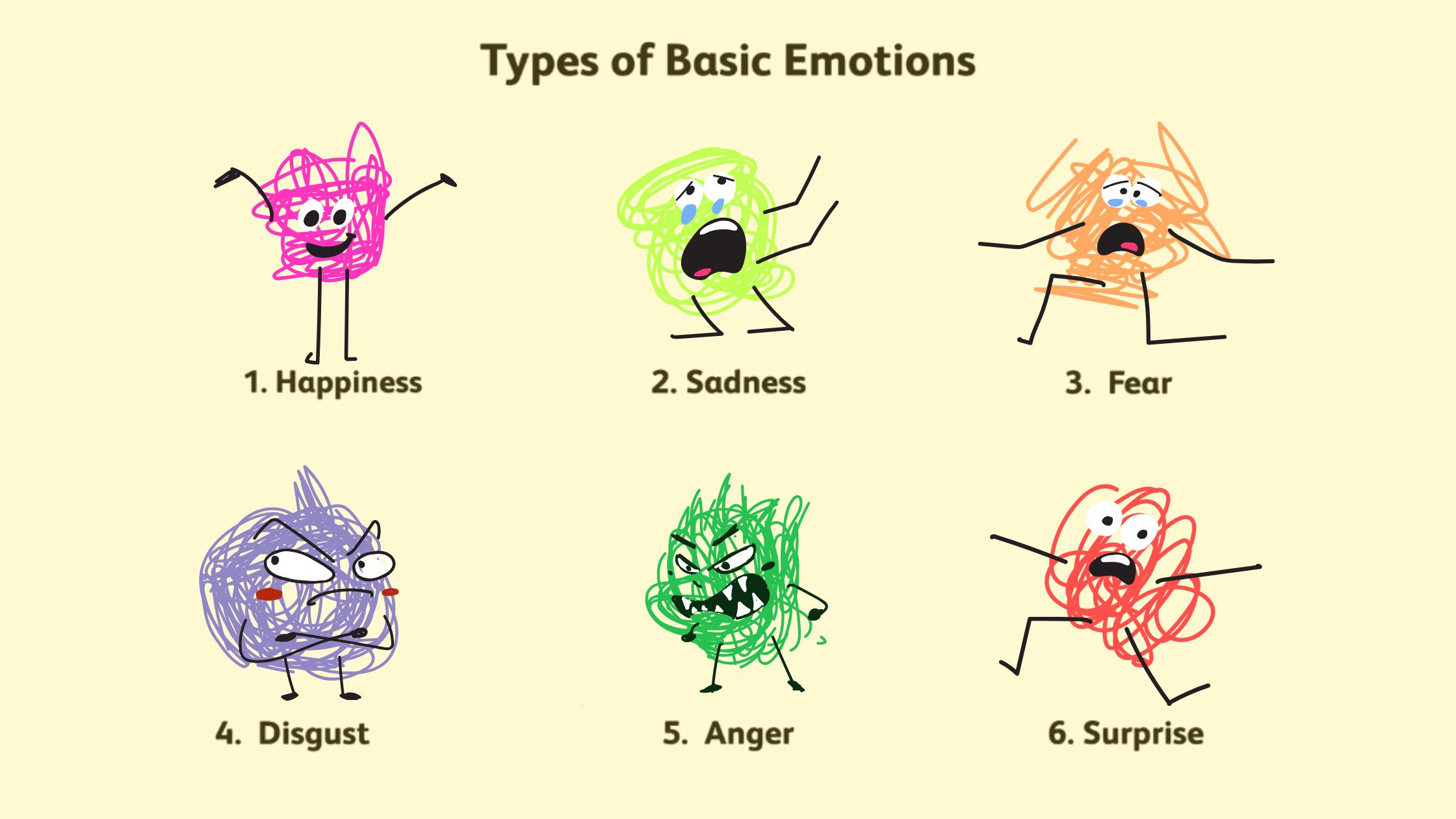
Emotion is the best selling tool you have. Les Binet and Peter Field, the “Godfathers of marketing effectiveness”, show that emotion-led campaigns build more brand equity and drive more business than rational, feature-led ones. In audio specifically, the more a listener feels, the more they buy.
The flip side is the cost of dull. Playing it safe doesn’t protect you; it just produces a neutral ad that spends far more to get the same result. More than half of all ads leave people feeling nothing at all. That’s your real competition: a sea of forgettable messages. Feeling anything beats feeling nothing.
4. When in Doubt, Be Funny
Humor is the most underused shortcut in advertising. System1 found the funniest ads earn a 3.4-star rating against just 2.2 for the most serious ones, and that gap compounds. The funniest ads drive roughly five times more long-term market-share growth than the least funny. Humor makes people listen, makes them remember, and makes them like you. Few local advertisers use it, which is exactly why it works.

5. Put Your Brand to Music
Music does more than fill silence. It creates an emotional connection with your audience. Ads that use music well are 20 to 30% more effective than those that don’t. Even better, create a consistent sonic identity, like a jingle or audio logo, that makes your brand instantly recognizable. According to Veritonic, ads that include the brand name in their audio logo are 7.5 times more likely to be correctly attributed, while ads with a memorable melody are twice as likely. A strong sonic brand becomes an asset that delivers value every time your ad airs.
6. Be Relentlessly Consistent
Great creative isn’t a one-off; it’s a bank account you keep depositing into. System1 and the IPA call it “compound creativity”: brands that keep consistent characters, voices, music, and taglines test better and grow faster. Byron Sharp’s research on distinctive brand assets says the same. Easy-to-remember, consistently used brand assets help customers think of your business when they’re ready to buy. Resist the urge to reinvent your advertising every few months. Consistency is what makes your brand stick.

7. Don’t Sweat Ad Length or “Wear-out”
One myth worth debunking is the idea that your ad is “getting old.” As marketer Mark Ritson points out, consumers don’t get tired of ads. Marketers do. Research shows advertising “wear-out” is largely a myth. The bigger challenge is “wear-in,” or the time it takes for a good ad to build recognition. When you find a campaign that works, stick with it. Give it time to build momentum instead of replacing it too soon.
The Manning Media Take
None of these rules require a bigger budget. They require treating the ad itself as the strategy. This is exactly how we build every commercial. Our in-house creative team starts from one clear idea, brands it early, gives it emotion (and often a laugh), sets it to a sound that’s unmistakably yours, and keeps it consistent so it compounds. That’s how you compete with, and often outperform, advertisers with much larger budgets.
If Part 1 was the why, this is the how. The half of your budget that moves the needle most is sitting right there, waiting. Let’s make something worth remembering.
Sources
Circana, “The Right Five Keys to Unlock Advertising Effectiveness” (2023)
System1 with Peter Field, IPA & Adam Morgan, “The Extraordinary Cost of Dull”
System1, Humor and Long-Term Market-Share Growth
Kantar Millward Brown, Message Load and Recall; Unified Creative and Brand Equity
System1 & IPA, “The Power of Compound Creativity”
Andrew Tindall / System1, “Listen Up!” Audio Effectiveness Report
Les Binet & Peter Field on Emotion
Les Binet & Sarah Carter, “How Not to Plan”
Veritonic, Audio Logo and Melody Brand-Attribution Data